
Ceiling fans are a popular and affordable way to stay cool and comfortable during the hot summer months, while also helping to save money on your energy bills. With so many different types and styles of ceiling fans available, it can be challenging to choose the right one for your home. In this guide, we'll explore everything you need to know about ceiling fans, from their benefits to the different types and features available, to help you make an informed decision.
Benefits of Ceiling Fans
Ceiling fans offer several benefits over other cooling options. Firstly, they are much more energy-efficient than air conditioning units, which can consume a significant amount of energy, leading to high electricity bills. Ceiling fans use less energy, and with their ability to circulate air, they help to create a breeze that makes you feel cooler without having to lower the temperature on your air conditioning unit. In addition, ceiling fans are much quieter and require less maintenance than air conditioning units, making them a more convenient and practical option.
Types of Ceiling Fans
Ceiling fans come in different types and styles to suit various needs and preferences. Here are some of the most common types of ceiling fans available:
Standard Ceiling Fans: These are the most common type of ceiling fans and are suitable for most rooms in the home. They come in different sizes, styles, and finishes, making it eaceilingssy to find one that matches your decor.
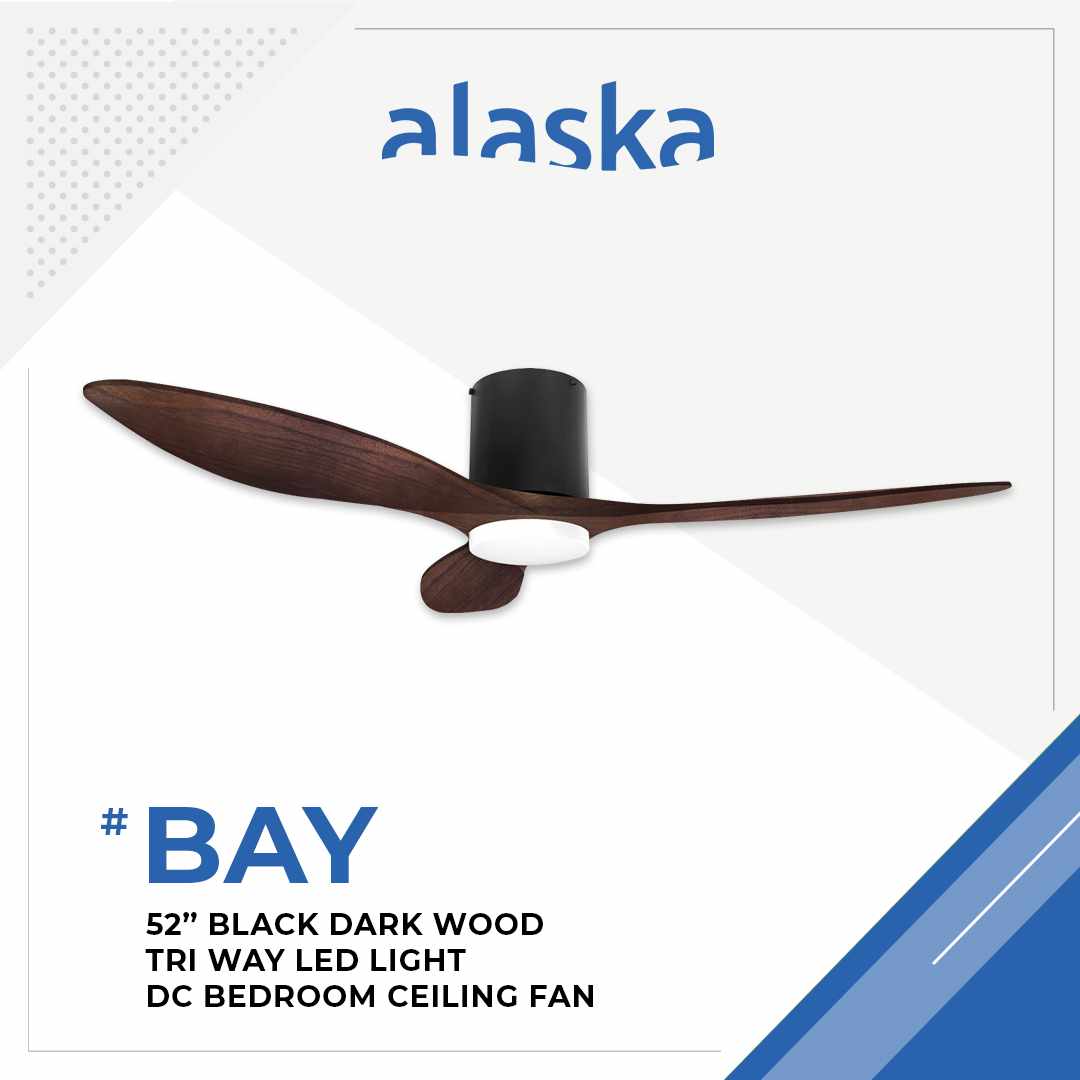
Low Profile Ceiling Fans: These fans are ideal for rooms with low as they are mounted flush to the ceiling. They are often smaller and more compact than standard ceiling fans but can still provide a good amount of airflow.
Energy Star Ceiling Fans: These fans are certified by the US Environmental Protection Agency (EPA) as being energy-efficient and can help you save money on your energy bills. They use 50% less energy than standard fans and are available in various styles and sizes.
Outdoor Ceiling Fans: These fans are designed for use outdoors and are weather-resistant. They come in different styles and finishes and are suitable for use on patios, porches, and decks.
Features to Consider
When choosing a ceiling fan, there are several features to consider, including:
Size: The size of the fan should be proportional to the room it is installed in. A small fan in a large room will not provide enough airflow, while a large fan in a small room can be overwhelming.
Blade Pitch: The blade pitch refers to the angle of the blades, which affects the airflow. A higher blade pitch creates more airflow and is ideal for larger rooms, while a lower blade pitch is suitable for smaller rooms.
Number of Blades: The number of blades can affect the amount of airflow and noise level. Generally, fans with fewer blades tend to be quieter, while those with more blades provide more airflow.
Speed Settings: Most ceiling fans have multiple speed settings, allowing you to adjust the airflow to your preference.
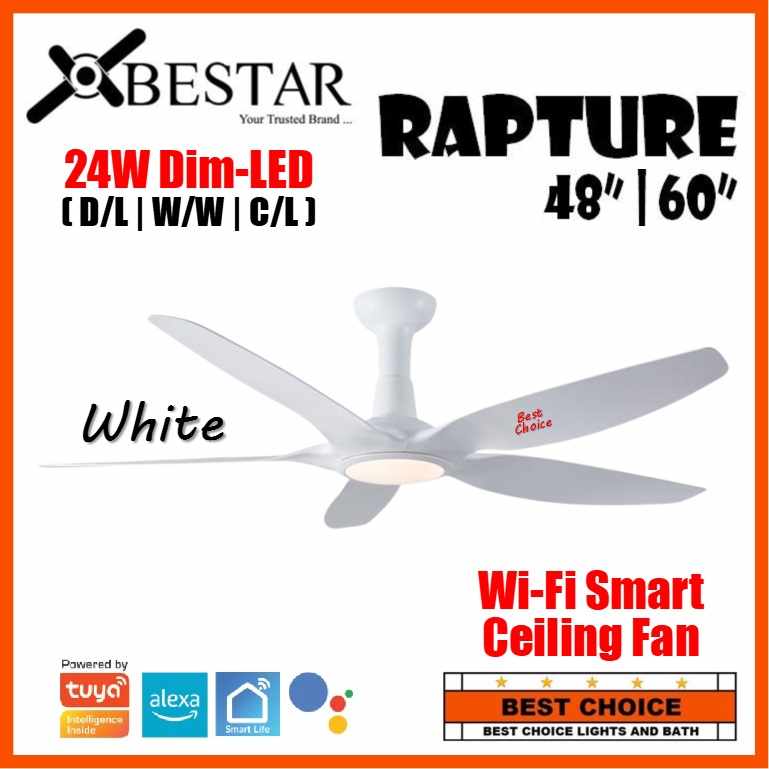
Remote Control: Some ceiling fans come with a remote control, making it easier to adjust the fan's settings without having to get up from your seat.
For more info-


.jpg)
Write a comment ...